
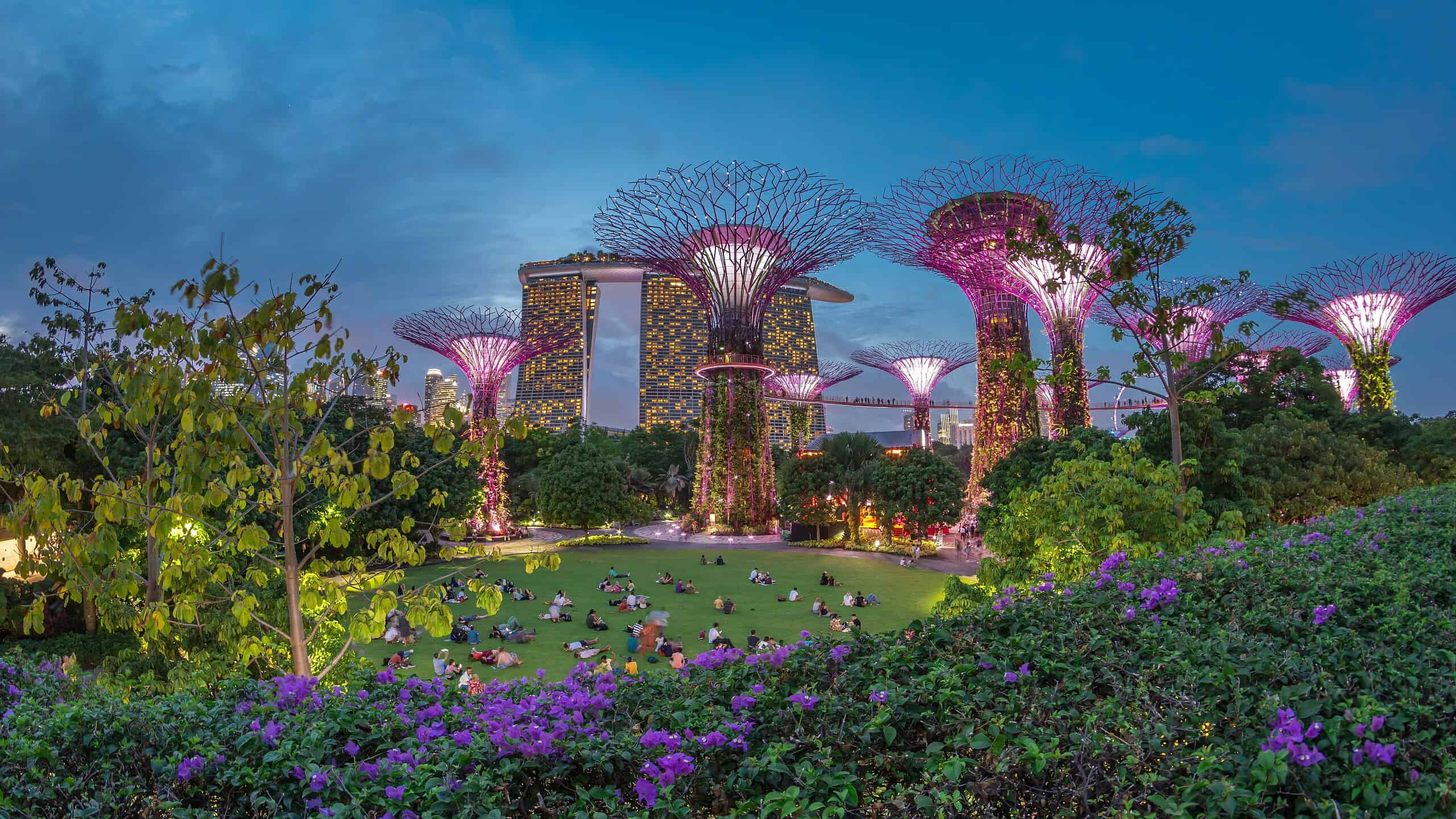


Smaller countries and tax havens dominate the Richest Top 10, but structural inequalities complicate the picture.
What do people think of when they think about the world’s richest countries? And what comes to mind when they consider the smallest ones?
Many of the planet’s wealthiest countries are also quite small. Nations such as Luxembourg, Switzerland, and Singapore benefit from sophisticated financial sectors and tax regimes that attract substantial foreign investment, professional talent, and large bank deposits. Others, such as Brunei, Qatar, and the United Arab Emirates, have large reserves of hydrocarbons or other lucrative natural resources.
But what do we mean when we say a country is rich, especially in an era of growing income inequality? While GDP measures the value of all goods and services a nation produces, dividing this output by the number of full-time residents is a better way to determine how rich or poor one country’s population is relative to another’s. The reason “rich” often equals “small” then becomes clear: these countries’ economies are disproportionately large relative to their small populations.
Only by taking into account inflation rates and the cost of local goods and services do we arrive at a more accurate picture of a nation’s average standard of living. The resulting figure is called purchasing power parity (PPP), often expressed in international dollars to allow comparisons between different countries, and this is the figure we use to determine our ranking of the world’s richest countries.
Should we then automatically assume that in states where PPP is particularly high, the overall population is materially better off? Not quite. We are still comparing averages, and within each country, structural inequalities can easily tip the balance in favor of those who are already advantaged.
The COVID-19 pandemic lifted the veil on these disparities in ways few could have predicted. While the wealthiest nations had the resources to care for those in need, those resources were not necessarily equally accessible, and large holes in some of the world’s most celebrated welfare systems were exposed.
As the pandemic subsided, inflation surged globally, and Russia invaded Ukraine, exacerbating food and oil price crises. The Israel-Hamas conflict and the US-Israeli war in Iran followed, further disrupting supply chains and energy markets. Such events always tend to hit lower-income families hardest, forcing them to spend a larger share of their income on basic necessities—housing, food, transportation—whose prices are more volatile. In the world’s 10 poorest countries, average per-capita purchasing power is less than $1,700, while in the 10 richest, it is over $121,000.
Still, a further word of caution is needed: some nations in our ranking are tax havens, meaning their wealth was originally generated elsewhere, artificially inflating official GDP figures. More than 15% of global jurisdictions are estimated to be tax havens, and up to 40% of global foreign direct investment is routed through tax-avoidance channels. In other words, these investments pass through empty corporate shells and yield little or no economic benefit to the population in the destination country.
The 10 Richest Countries In The World
10. United States 🇺🇸
Current International Dollars: 89,991.15
A continental giant in a ranking dominated by smaller nations, the world’s largest economy is an outlier. After spending much of the past two decades outside the top 10 by per capita measures, the U.S. reentered the top tier during the pandemic, when aggressive fiscal stimulus boosted household incomes and a collapse in oil prices dragged down hydrocarbon-dependent rivals. Still, International Monetary Fund projections for U.S. growth are now running a full percentage point below those of recent years, raising questions about whether the country’s momentum will hold.
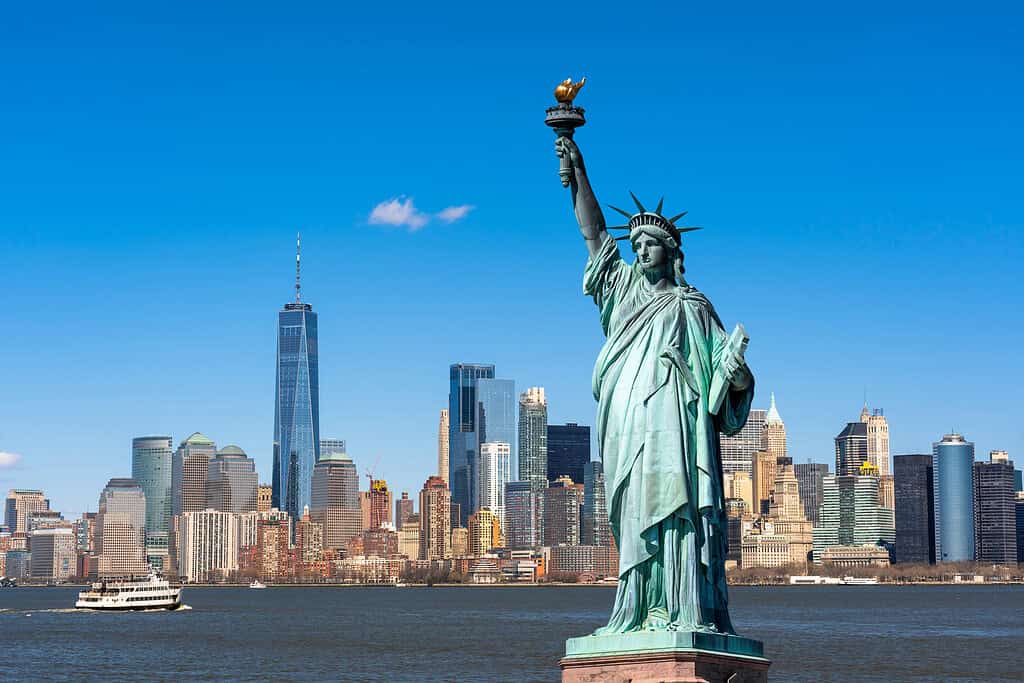
9. Taiwan 🇹🇼
Current International Dollars: 90,233.26
Taiwan’s transformation into mature, high-income economy was swift. As one of the first developing economies to base its growth on an export-focused trade model, it became known in the second half of the 20th century as one of the Four Asian Tigers, alongside South Korea, Singapore, and Hong Kong. Today, Taiwan is known for its advanced technology sector, particularly semiconductor manufacturing, and citizens’ wealth has doubled over the past 20 years.
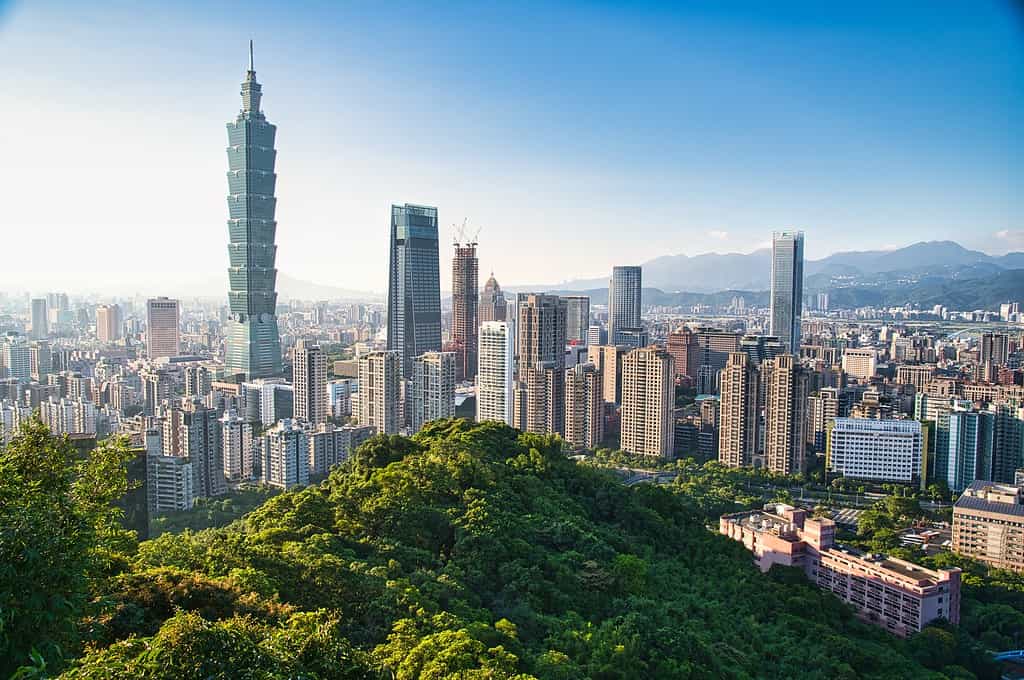
8. Brunei Darussalam 🇧🇳
Current International Dollars: 93,730.51
It is not all roses in the sultanate. Despite an on-paper per capita purchasing power of over $90,000, malnutrition and undernourishment—especially among children—are still common, and many families rely on government assistance to get by. The tiny state was not immune to the pandemic-related plunge in oil prices. But when prices bounced back, so did Brunei.
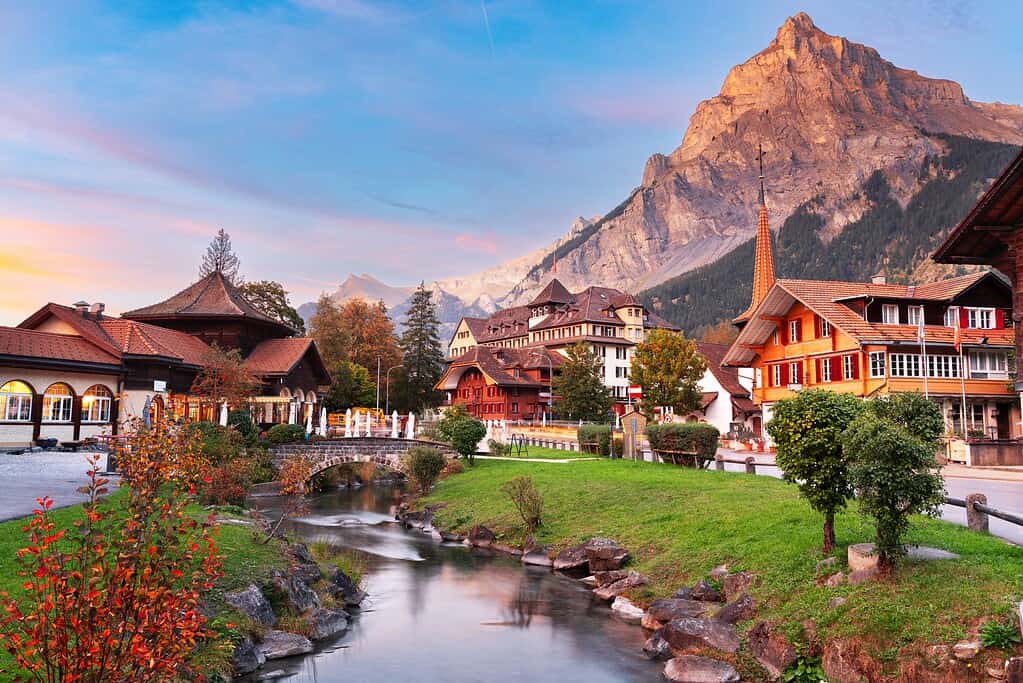
7. Switzerland 🇨🇭
Current International Dollars: 102,095.68
This landlocked nation of about 9 million people owes much of its wealth to banking, tourism, and the export of pharmaceuticals, precious metals, and precision instruments. Switzerland leads the world in mean wealth per adult, at almost $700,000, and roughly one in six adults owns assets worth more than $1 million. Still, the Swiss are not immune to global shocks. The pandemic had a significant impact, and with the Middle East again in crisis, the country’s dependence on foreign oil and gas is proving a liability. Growth has been sluggish for years.
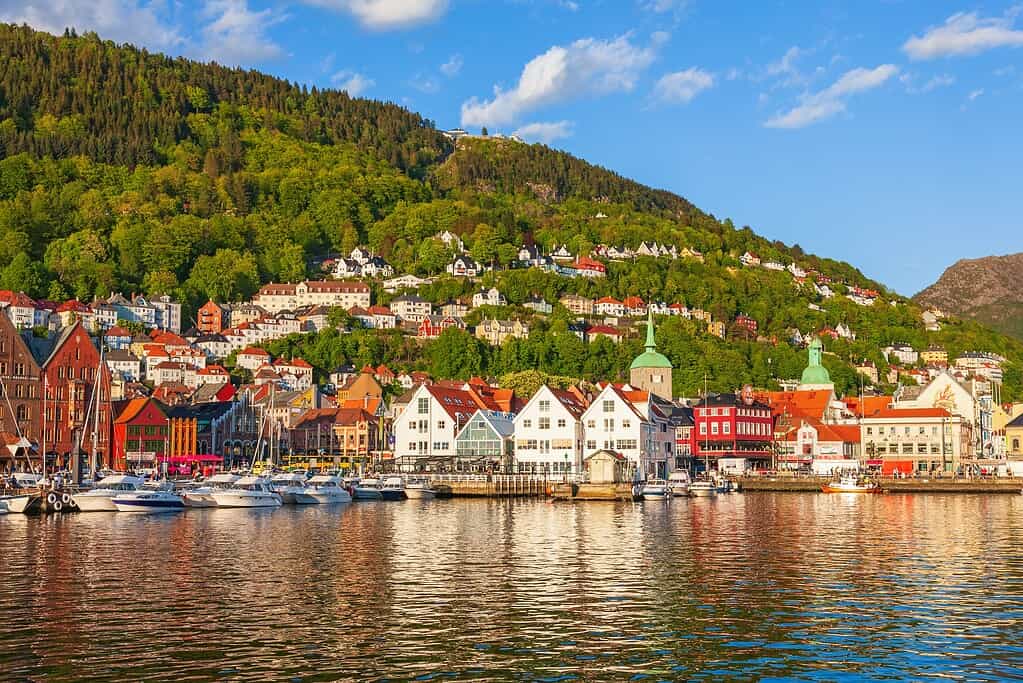
6. Norway 🇳🇴
Current International Dollars: 111,545.11
Since the discovery of large offshore reserves in the late 1960s, Norway’s economic engine has been fueled by oil. Revenues from that source have been invested wisely; whenever a crisis hits, Norwegians can draw on their $2.2 trillion sovereign wealth fund, the world’s largest. Most remarkably, unlike many other rich nations, the country’s high per capita GDP figures are a reasonably accurate reflection of the average person’s well-being; Norway has one of the smallest income gaps in the world.
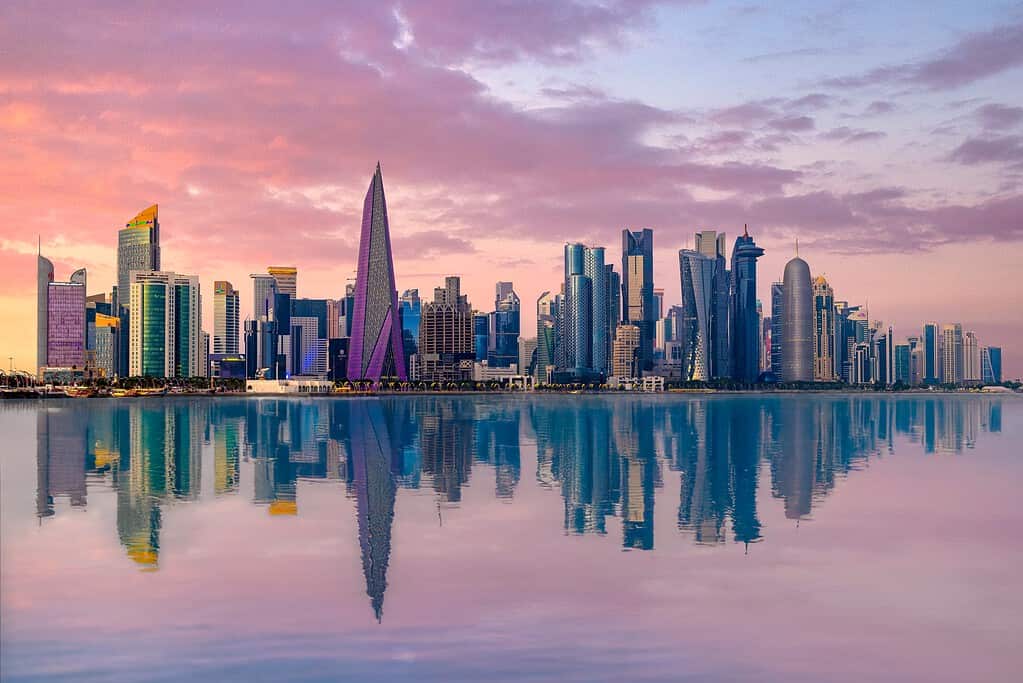
5. Qatar 🇶🇦
Current International Dollars: 120,114.45
Qatar’s oil, gas, and petrochemical reserves are so large, and its population so small — just over 3 million — that this ultramodern country has remained near the top of the list of the world’s richest nations for 20 years. While periods of falling energy prices or global trade disruption inevitably weigh on the economy, Qatar has worked hard to diversify its growth base and has generally bounced back quickly from downturns.
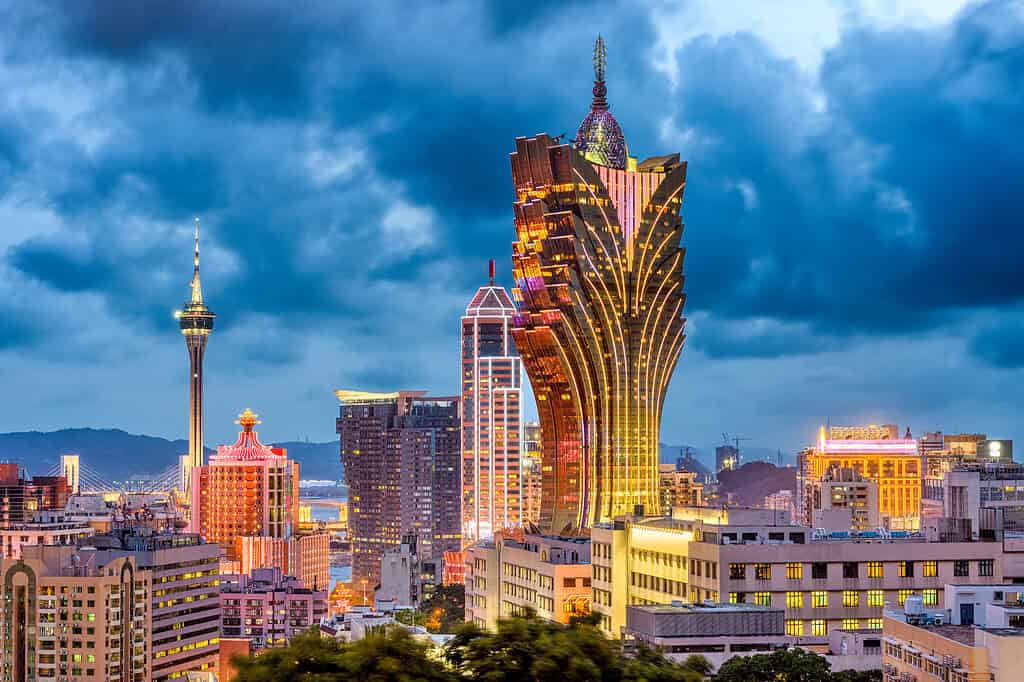
4. Macao SAR 🇲🇴
Current International Dollars: 134,484.93
Formerly a Portuguese colony, Macao, a special administrative region (SAR) of China, began to see its wealth grow at an astounding pace after the gaming industry was liberalized in 2001. With a population of a little over 700,000 and more than 40 casinos packed into just 30 square kilometers on a peninsula south of Hong Kong, Macao became a money-making machine. When COVID hit and international travel ground to a halt, it briefly slipped from the top 10. Since then, however, Macao has returned to business as usual, and per capita purchasing power is even higher today than it was before the lockdown.
3. Ireland 🇮🇪
Current International Dollars: 152,632.06
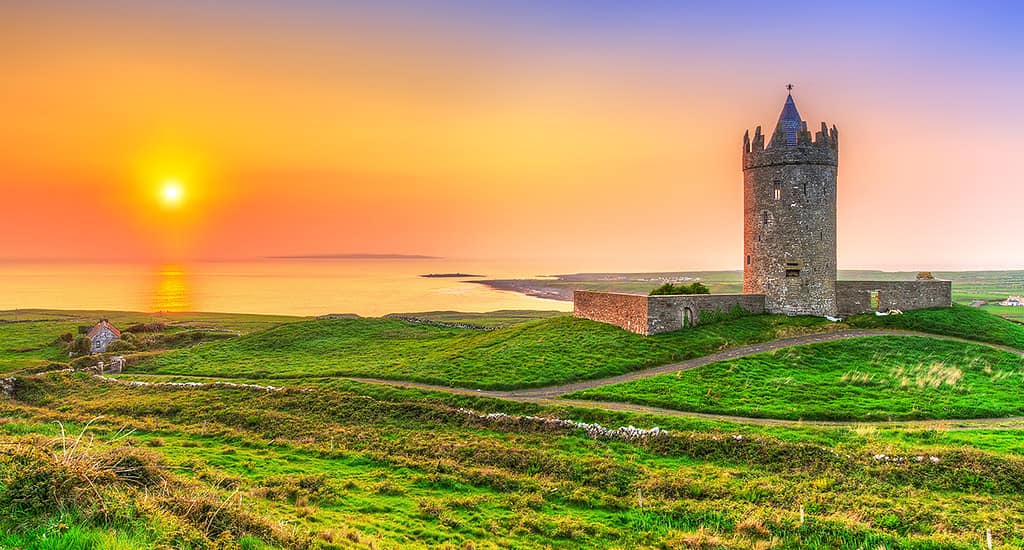
With a population of about 5.6 million, Ireland was among the hardest hit by the 2008–09 financial crisis. After a difficult round of reforms, it regained fiscal health and saw per capita GDP grow rapidly. As one of the world’s largest corporate tax havens, Ireland’s tax system disproportionately favors multinationals over everyday citizens; many large businesses have shifted their fiscal residence to Ireland to benefit from its headline corporate tax rate of 12.5%. However, national household disposable income is much closer to the EU average than GDP per capita suggests, and the top 20% earn almost four times as much as the bottom 20%. That makes Ireland a cautionary tale about the use or misuse of per capita purchasing power, as most of its citizens would likely balk at the idea that they are among the richest in the world.
2. Luxembourg 🇱🇺
Current International Dollars: 152,966.48
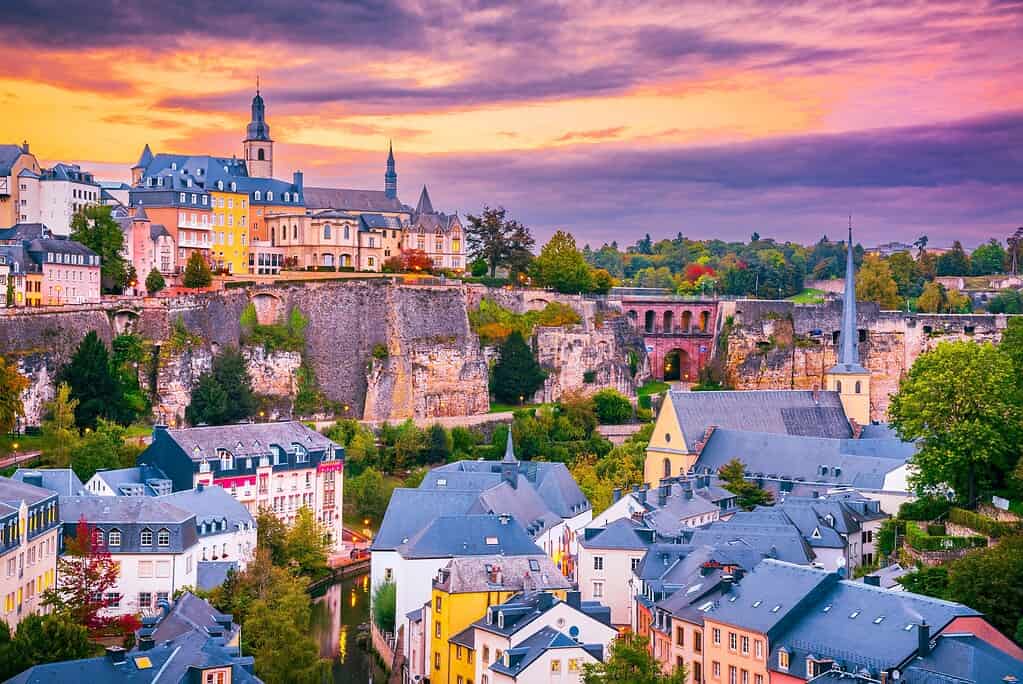
You can visit Luxembourg for its castles and beautiful countryside, its cultural festivals, and its gastronomic specialties. Or you could set up an offshore account through a Luxembourgish bank without ever setting foot in the country: which would be your loss. Situated at the heart of Europe, this nation of about 700,000 people has plenty to offer both tourists and its citizens, who enjoy one of the highest standards of living in the Eurozone. Luxembourg topped $100,000 in GDP per capita in 2014 and has never looked back.
1. Singapore 🇸🇬
Current International Dollars: 156,755.35
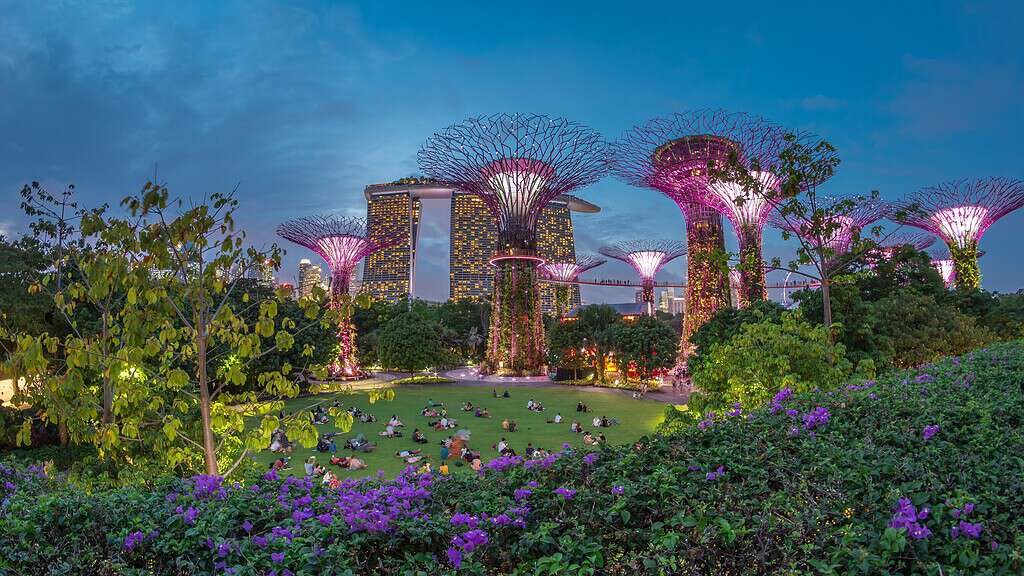
With a net worth of over $40 billion, the richest person living in Singapore is an American: Eduardo Saverin, the co-founder of Facebook, who in 2011 left the U.S. with 53 million shares of the company and became a permanent resident of the island nation. Like many other fellow millionaires and billionaires, Saverin did not choose it just for its urban attractions or natural gateways: Singapore is an affluent fiscal haven where capital gains and dividends are tax-free. But how did Singapore manage to attract so many high-net-worth individuals? When the city-state became independent in 1965, one-half of its population was illiterate. With virtually no natural resources, Singapore pulled itself up by its bootstraps through hard work and smart policy, becoming one of the most business-friendly places in the world. Today, Singapore is a thriving trade, manufacturing and financial hub. In an even more welcome development, 98% of the adult population is now literate.